Every great city keeps secrets that fly under the radar of mass tourism, and Cusco is no exception. From a hidden temple an hour’s walk from the Plaza de Armas to an almost unknown Inca fortress, these are 5 secrets of Cusco you won’t find in the guidebooks.
1. Temple of the Moon
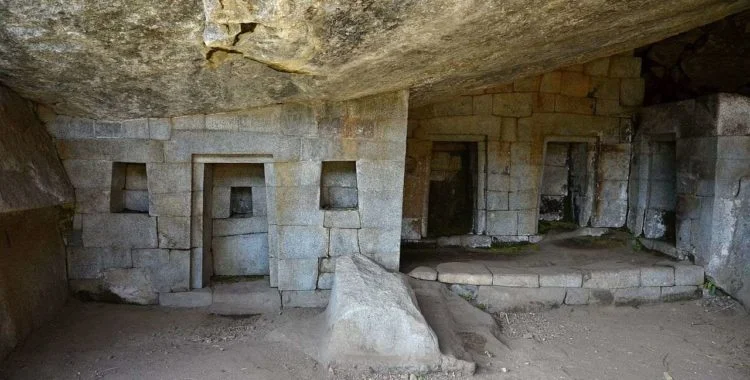
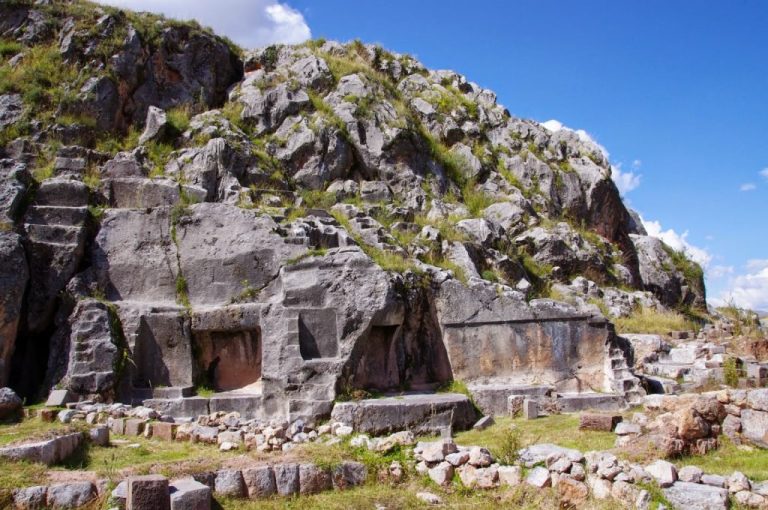 The Temple of the Moon sits at the top of a hill, far from the noise and bustle of Cusco, even though it is only an hour’s walk away. The temple has a cave with a ceremonial altar where figures of pumas, snakes and condors were carved. It was dedicated to fertility: its caves were built so that sunlight and moonlight would enter on specific days and light up specific parts of the altar. Entry is free. If you would like to visit, contact us.
2. The Last Supper with guinea pig
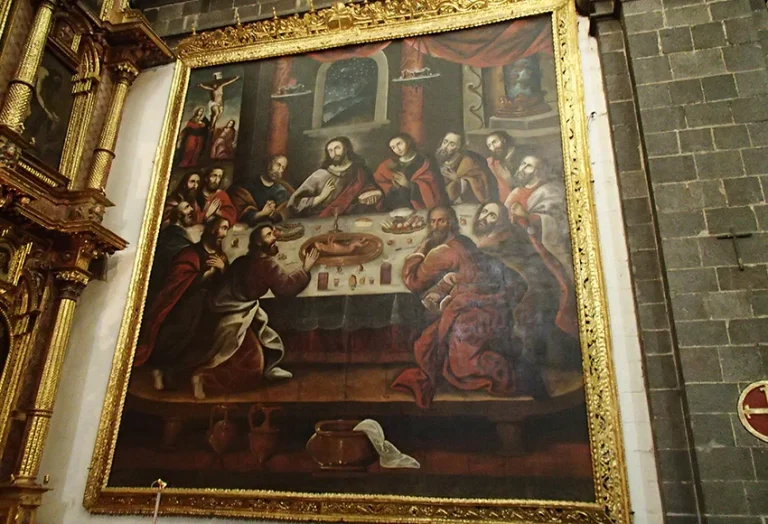 The local reinterpretation of religious works gives a special flavour to a well-known story. Take the Last Supper painting in Cusco Cathedral: it has all the classic elements of the scene, but the feast is clearly taking place in Cusco. You can see chilli peppers, fruit, corn and, above all, a guinea pig (cuy), one of the region’s most prized dishes since pre-Hispanic times. The painting is attributed to the Cusco painter Marcos Zapata, who often included details like these in his work.
Where to see it: in the Cathedral Basilica of Cusco, on the Plaza de Armas. If you would like to visit the cathedral, contact us.
3. The Devil’s Balcony
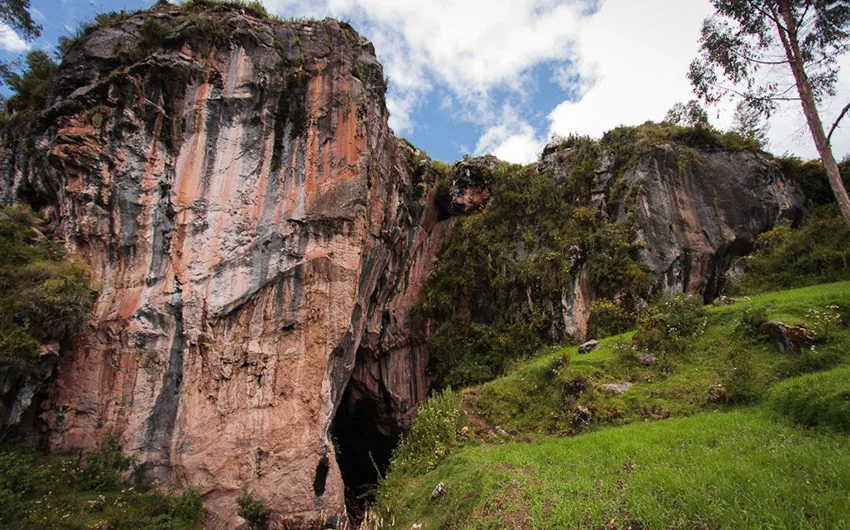
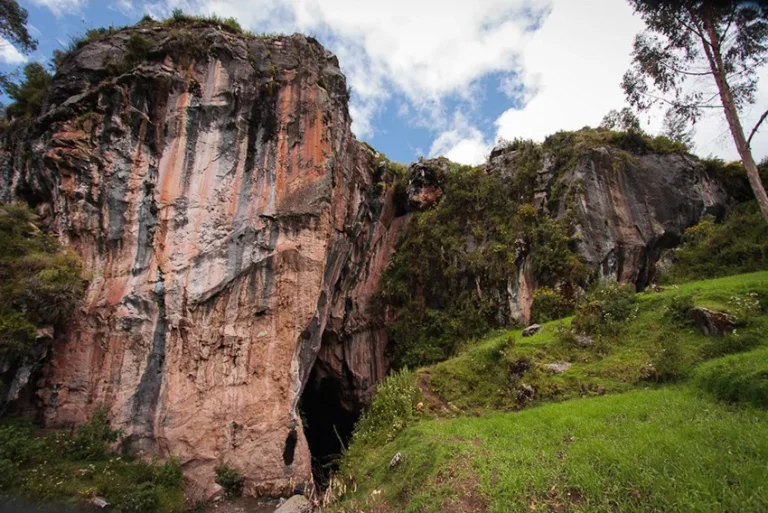 Behind Sacsayhuamán, one of the most important Inca archaeological complexes in the area, lies the Devil’s Balcony: a natural formation the Incas used as a gateway into the city of Cusco. It is a giant rock with a kind of window (or balcony) in the middle and a spectacular view of the river flowing below. You can also cross the rock through a tunnel at river level.
How to get there: it is a 20-minute walk from Sacsayhuamán, next to the community of Chacán. If you would like to visit these mysterious places, contact us.
4. Huchuy Qosqo
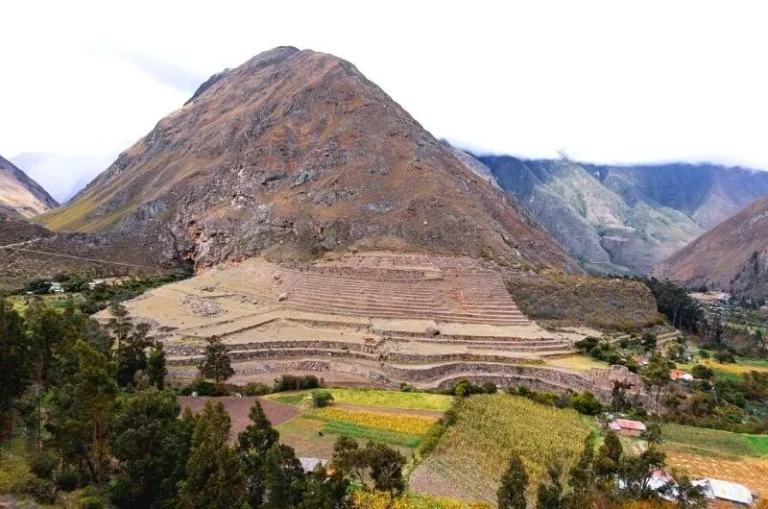
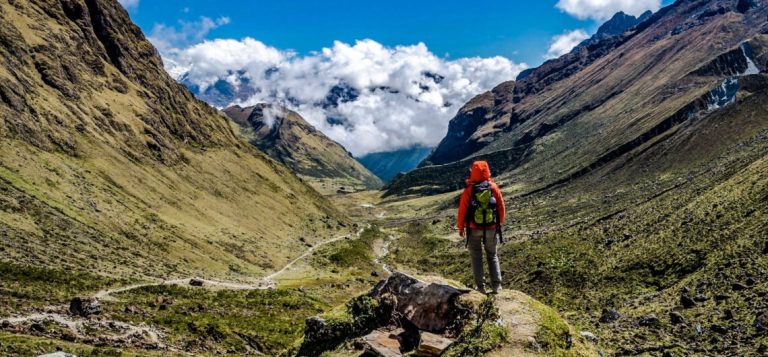
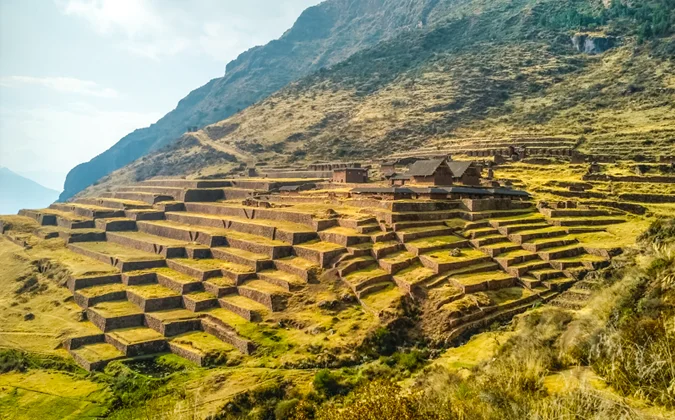 Huchuy Qosqo (“little Cusco” in Quechua) stands at 3,650 m above sea level and offers incredible views of the Sacred Valley. It was an important farming centre for corn, with perfectly built stone storehouses, called collcas, to store and preserve food. No roads reach it, so the only way in is on foot. Join us on our Huchuy Qosqo Trek to Machu Picchu.
5. Waqrapukara
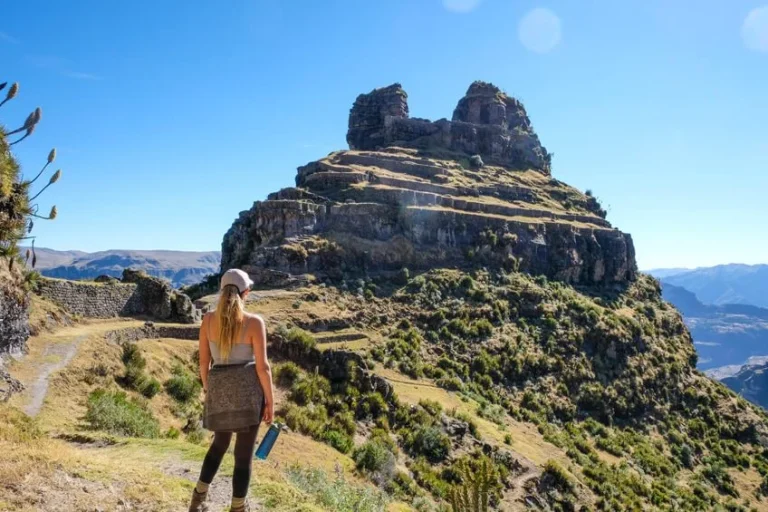 Waqrapukara is so little known that it is still unclear whether it was a fortress, a sanctuary or an astronomical observatory. It stands at 4,300 m above sea level in the Apurímac Canyon, south of the city of Cusco. The landscape is breathtaking: it is surrounded by terraces, plazas and a giant monolith that looks out over the mountains.
How to get there: it is about a two-and-a-half-hour drive from Cusco to Santa Lucía, followed by a hike of about 2 hours. Join our Waqrapukara Trek.