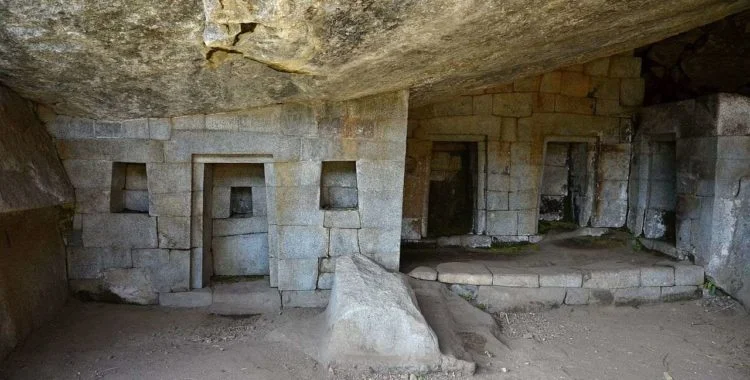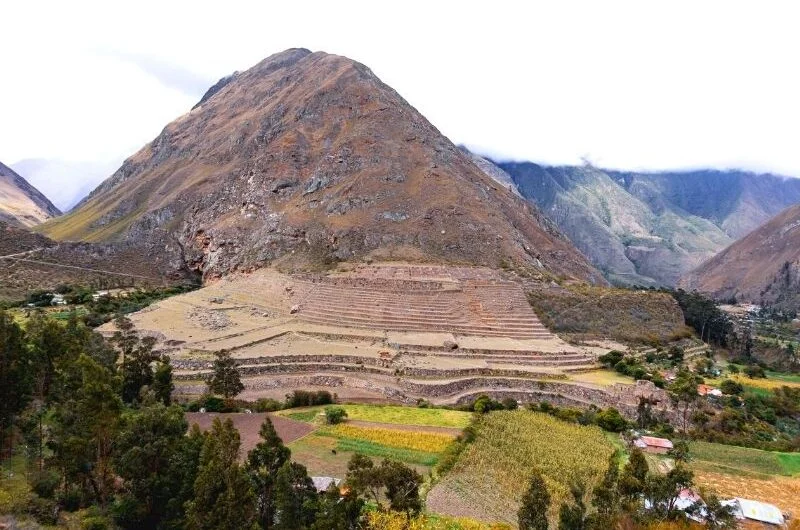
Today we share 5 reasons why you should hike the Inca Trail to Machu Picchu, the most famous footpath in the Americas: a 43 km journey through forests, mist and llamas that starts close to Cusco. Stone stairways, archaeological sites and unique landscapes will be with you every step of the trek.
Several trails lead to Machu Picchu, but none compares to the Inca Trail. This stretch is part of the Inca road network, the Qhapaq Ñan, considered one of the great engineering achievements of the Inca Empire.
What is the Qhapaq Ñan?
Qhapaq Ñan literally means “main road”. It is a sophisticated network of roads built by the Inca Empire (Tahuantinsuyo), more than 30,000 kilometres long, that today crosses six countries: Colombia, Ecuador, Peru, Bolivia, Chile and Argentina.
In pre-Hispanic America, the Qhapaq Ñan was part of a political, military, ideological and administrative project. Many sections became the base of modern roads, while others are preserved as protected heritage: in 2014 UNESCO declared it a World Heritage Site. The most famous of them all is the 43 km route that leads to Machu Picchu.
The road was built mainly of stone and is remarkably versatile: it adapts to the coast, the highlands and the jungle while respecting nature and its ecosystems. In some places it joins cross routes and in others it forks. There the Incas built bridges, tunnels, walls, paths, stairways, storehouses (collcas) and lodges (tambos).
Its main purpose was to connect the city of Cusco, the centre of Inca power, with the rest of the empire. And because it was built during a time of expansion, it was also a display of the empire’s power and control.
The Inca Trail to Machu Picchu
As we said, the world’s most famous section is the one that reaches Machu Picchu. Today the route is protected by the Peruvian State, so you must follow certain rules and respect some restrictions to hike it.
The classic Inca Trail takes 4 days and 3 nights on foot. It starts at Km 82 of the railway, near Ollantaytambo, and ends at the Sun Gate (Inti Punku), at the entrance to the citadel. Because it is regulated by the State, you must hike it with an authorised travel agency such as Experience Colibri. Don’t worry: we take care of everything, from permits and meals to camping, transport and guiding.
Reasons to hike the Inca Trail
If you are still not sure about the Inca Trail, here are a few reasons not to miss this wonderful hiking experience.
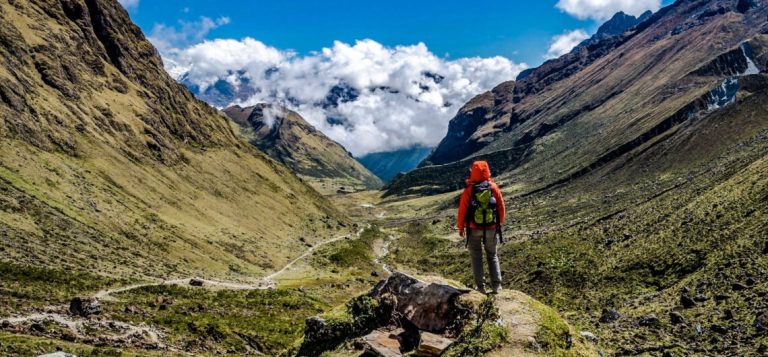
- A unique natural setting. Along the whole route you will enjoy beautiful landscapes and a biodiversity of plants and wildlife that will surprise you: towering snow-capped peaks, cloud forests and dense jungle.
- Walk the Qhapaq Ñan. This important Inca road network is open to travellers of every nationality. Walk a route full of centuries of history and culture.
- Discover many archaeological sites. Along the way you will visit ancient complexes such as Llactapata, Runkurakay, Sayacmarca, Phuyupatamarca, Intipata, Wiñay Wayna and the Inti Punku, among others.
- Arrive straight at Machu Picchu. Along the most important road of Inca times, now a treasured World Heritage Site.
- Reconnect with yourself. Hiking is good for both body and mind. Disconnecting from your routine gives you a moment of peace to calm your mind and focus, with all five senses, on what surrounds you. And of course, you will enjoy everything that comes from being in touch with nature.
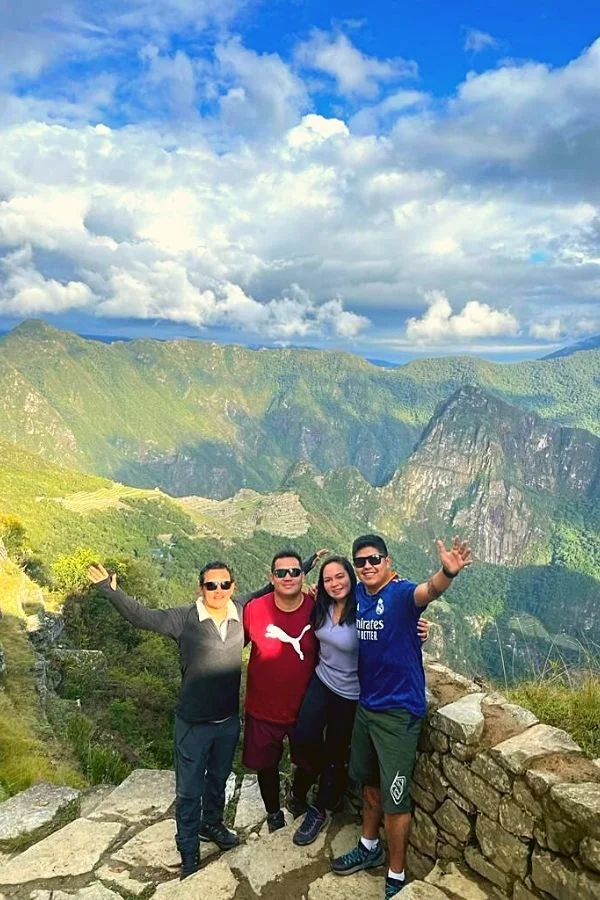
As you can see, there are many reasons to hike the Inca Trail, whether alone, as a couple, with friends or with family. Along the way you will share the adventure with other travellers who love the cultural and natural richness of the Qhapaq Ñan and Machu Picchu. Contact us to discover the different ways to reach Machu Picchu we have for you, such as the Inca Jungle Trail to Machu Picchu.